
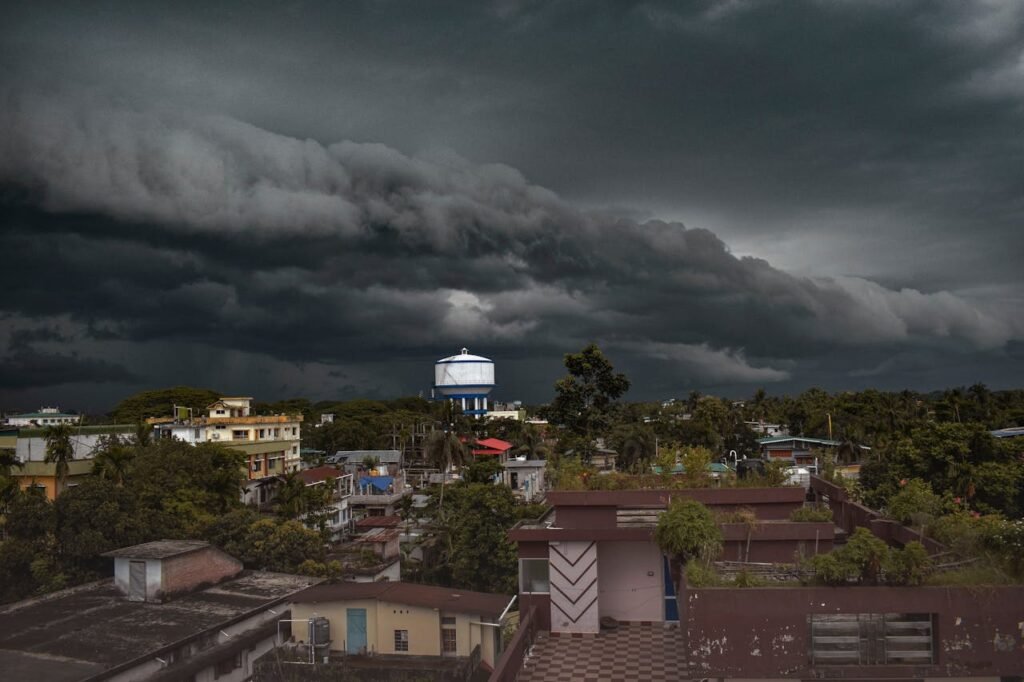
Severe weather can show up without much warning, leaving homeowners scrambling to protect what matters most. Whether it’s powerful thunderstorms rolling through, tornadoes touching down, or hailstorms pummeling everything in sight, nature has a way of testing even the toughest homes. The good news? Taking some proactive steps now can save you from major headaches and expensive repairs down the road. Weatherproofing your property isn’t just about protecting your investment, it’s about keeping your family safe when conditions turn dangerous.
1. Inspect and Reinforce Your Roof System
Think of your roof as your home’s helmet, it takes the first hit when severe weather rolls in. Start with a good look from the ground using binoculars to spot any shingles that are missing, cracked, or starting to curl up at the edges. Those problem areas? They’re like welcome mats for water during heavy downpours. Pay close attention to the spots around chimneys, vents, and skylights where flashing tends to pull away or deteriorate over time.
2. Secure Windows and Doors Against High Winds
Windows and doors can become your home’s biggest vulnerabilities when winds pick up and start throwing debris around like confetti. Impact-resistant windows or solid storm shutters create a barrier between your home’s interior and whatever the storm decides to hurl at you. They also prevent those dangerous pressure changes that happen when windows shatter during intense weather events. Working with a tighter budget? Pre-cut plywood panels sized for each window opening work surprisingly well and can be put up quickly when you see bad weather approaching on the forecast.
3. Maintain Proper Drainage and Gutter Systems
Water management might not sound exciting, but it’s absolutely crucial for preventing flooding, foundation issues, and erosion that can undermine your home’s structural stability. Get up on that ladder at least twice a year to scoop out leaves, sticks, and whatever else has decided to nest in your gutters. When gutters clog, water spills over the sides and pools right where you don’t want it, near your foundation. Make sure your downspout extensions are pushing water at least five to ten feet away from your house, not just dumping it right beside the foundation where it can seep into your basement or cause settling.
4. Trim Trees and Remove Hazardous Vegetation
Trees add beauty and shade to your property, but during high winds, overgrown branches become battering rams aimed straight at your roof and windows. Regular trimming keeps dead or dying branches from crashing through your home when the next storm blows through. For larger trees, bring in certified arborists who can spot disease, decay, or structural problems that aren’t obvious to the untrained eye. Trees showing significant rot, instability, or leaning precariously toward your house need to come down, even if the cost makes you wince, it’s nothing compared to the damage they’ll cause when they inevitably fail. When assessing potential roof damage from fallen branches or detecting storm-related structural issues, homeowners who need to schedule professional inspections often contact www.aceroofingtexas.com for comprehensive evaluations after severe weather events. Proper canopy thinning lets wind flow through branches instead of catching them like sails, which significantly reduces the chances of trees uprooting or snapping completely. When planting new trees, think ahead about their mature size and keep them at safe distances from your house, power lines, and other structures. And don’t forget about all those yard decorations, patio furniture, and loose items that transform into flying missiles when winds really start howling.
5. Prepare an Emergency Supply Kit and Backup Power
Strengthening your home’s physical defenses is just part of the equation, you also need supplies and systems to keep your family safe and comfortable when utilities go down. Put together an emergency kit with at least three days of non-perishable food, drinking water (figure a gallon per person per day), flashlights, fresh batteries, first aid supplies, and any prescription medications your family needs. Toss important documents into waterproof containers, insurance policies, IDs, bank information, and a home inventory will make your life so much easier if you need to file claims later. A battery-powered or hand-crank weather radio keeps you connected to emergency broadcasts when the power’s out and your phone’s at five percent.
Conclusion
Getting your home ready for severe weather isn’t a one-and-done deal, it’s more like ongoing maintenance that adapts as your home ages and conditions change. By systematically tackling vulnerabilities in your roof, windows, doors, drainage, and landscaping, you’re dramatically cutting down the chances of catastrophic damage when storms inevitably roll through. These preparations pay off in ways that go beyond just avoiding repair bills: lower insurance claims, less stress during storm season, and most importantly, real peace of mind knowing your family’s safe. Don’t fall into the trap of waiting until severe weather’s bearing down on your area to start preparing, that’s exactly when everyone else is scrambling for supplies and contractors.
Also Read: Creating Immersive Experiences with Video Chat Technology

