
Introduction
When a loved one begins experiencing memory loss due to Alzheimer’s disease, dementia, or other cognitive conditions, families often face a variety of emotional and practical challenges. Everyday tasks that were once simple can become difficult, and concerns about safety, health, and quality of life may grow over time. While family members frequently do their best to provide support, there often comes a point when specialized care becomes beneficial.
Memory care communities are designed specifically to meet the unique needs of individuals living with memory-related conditions. These communities provide structured support, trained caregivers, engaging activities, and secure environments that help residents maintain the highest possible quality of life. At the same time, memory care offers valuable relief and peace of mind for family members who want the best care for their loved ones. Understanding the many ways memory care helps both seniors and families can make the decision-making process feel more informed and less overwhelming.
Providing Specialized and Personalized Care
One of the greatest benefits of memory care is the specialized support available to residents. Unlike general senior living environments, memory care communities are specifically designed to address the challenges associated with cognitive decline.
Caregivers receive training that helps them understand how memory-related conditions affect behavior, communication, and daily functioning. This specialized knowledge allows staff members to provide assistance with patience, understanding, and consistency.
Personalized care plans are another important aspect of memory care. Each resident has unique needs, preferences, abilities, and health considerations. By tailoring care to the individual, staff can provide support that promotes both comfort and independence.
Whether assistance is needed with grooming, medication management, dining, or daily routines, personalized care helps residents receive the appropriate level of support while preserving as much autonomy as possible.
Creating a Safe and Secure Environment
Safety is often a major concern for families caring for a loved one with memory loss. Individuals experiencing cognitive decline may become confused, forget important safety precautions, or wander away from familiar environments.
Memory care communities are thoughtfully designed to reduce these risks. Secure entrances and exits, carefully planned layouts, and enhanced monitoring systems help create an environment where residents can move about safely while maintaining a sense of freedom.
In addition to physical safety, structured daily routines help reduce confusion and anxiety. Consistent schedules provide familiarity and predictability, which can be especially comforting for individuals living with dementia.
Families often experience significant peace of mind knowing their loved one is in a secure environment where trained professionals are available around the clock to provide assistance when needed.
Encouraging Cognitive Engagement and Social Interaction
Staying mentally and socially engaged remains important at every stage of life. Memory care communities typically offer programs specifically designed to stimulate cognitive function and encourage meaningful participation.
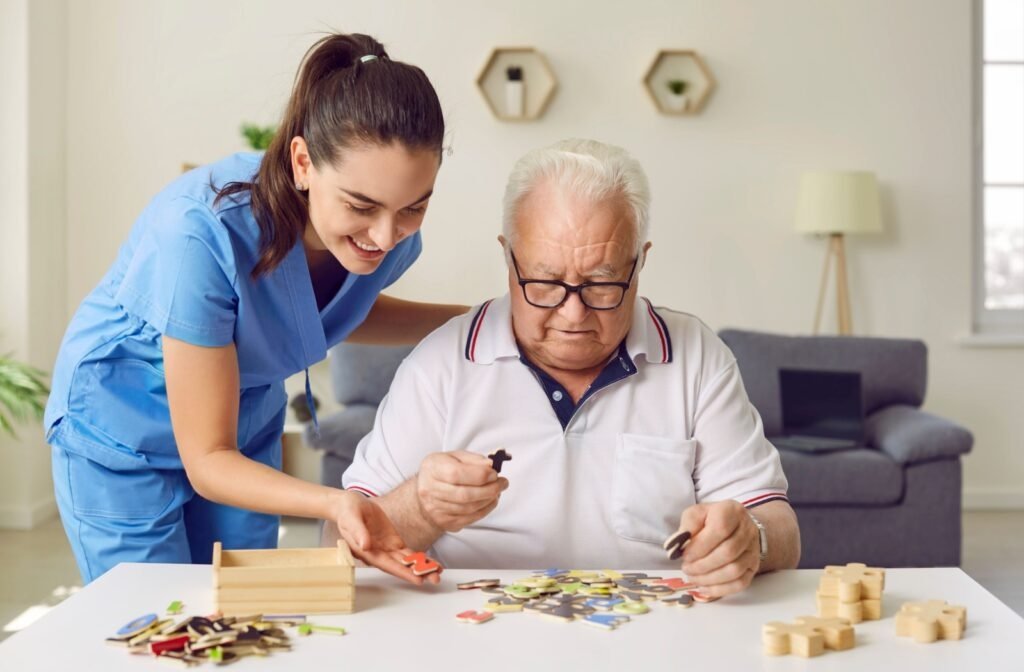
Activities may include music therapy, arts and crafts, puzzles, storytelling, exercise classes, sensory activities, and group discussions. These programs are developed with cognitive abilities in mind and often focus on encouraging positive experiences rather than emphasizing limitations.
Many communities also implement specialized programs such as SHINE® Memory Care in Woodbury, which focus on creating purposeful engagement opportunities while supporting residents through individualized approaches to memory care.
Social interaction is equally valuable. Isolation can negatively affect emotional well-being, but memory care communities provide opportunities for residents to form friendships, participate in group activities, and enjoy a sense of community. Regular engagement helps many residents feel connected, valued, and involved in daily life.
Supporting Families Through the Care Journey
Memory care benefits extend beyond the residents themselves. Family members often experience emotional strain, stress, and caregiver fatigue when supporting a loved one with dementia or Alzheimer’s disease.
Providing care at home can become increasingly demanding as cognitive conditions progress. Families may struggle to balance caregiving responsibilities with work, personal obligations, and their own health needs. For families who want their loved one to remain in familiar surroundings, Sofiapflege can help organize reliable day-to-day support and relief in the person’s own home.
Memory care communities help relieve many of these pressures by providing professional support and comprehensive assistance. Family members can spend more time focusing on meaningful interactions with their loved one rather than managing the ongoing demands of caregiving.
Many communities also offer educational resources, support groups, and regular communication with families. These tools help loved ones better understand the condition, stay informed about care plans, and feel more confident throughout the journey.
The result is often a healthier balance for everyone involved, with seniors receiving specialized support and families gaining reassurance and support.
Improving Overall Quality of Life
The ultimate goal of memory care is to enhance quality of life. While memory-related conditions present unavoidable challenges, the right environment can help individuals experience comfort, dignity, and fulfillment.
Daily routines are designed to support success and minimize frustration. Activities are adapted to residents’ abilities, allowing them to continue participating in meaningful experiences. Nutritious meals, healthcare coordination, medication management, and personal assistance all contribute to overall well-being.
The emotional benefits of memory care can be significant as well. Familiar routines, caring staff members, engaging activities, and social opportunities help many residents maintain a sense of purpose and belonging.
For families, seeing a loved one thrive in a supportive environment often provides tremendous relief. Knowing that professional caregivers are available to address changing needs allows families to focus on maintaining strong emotional connections and creating positive memories together.
Conclusion
Memory care plays a vital role in supporting both seniors and their families as they navigate the challenges of cognitive decline. Through specialized care, secure environments, engaging activities, family support, and a focus on quality of life, memory care communities provide resources that help residents live with dignity and comfort. While the decision to seek memory care can be difficult, many families find that it offers the professional support, safety, and compassionate attention needed to improve daily life for everyone involved. By addressing both practical and emotional needs, memory care creates an environment where seniors can receive the care they deserve while families gain valuable peace of mind.

