
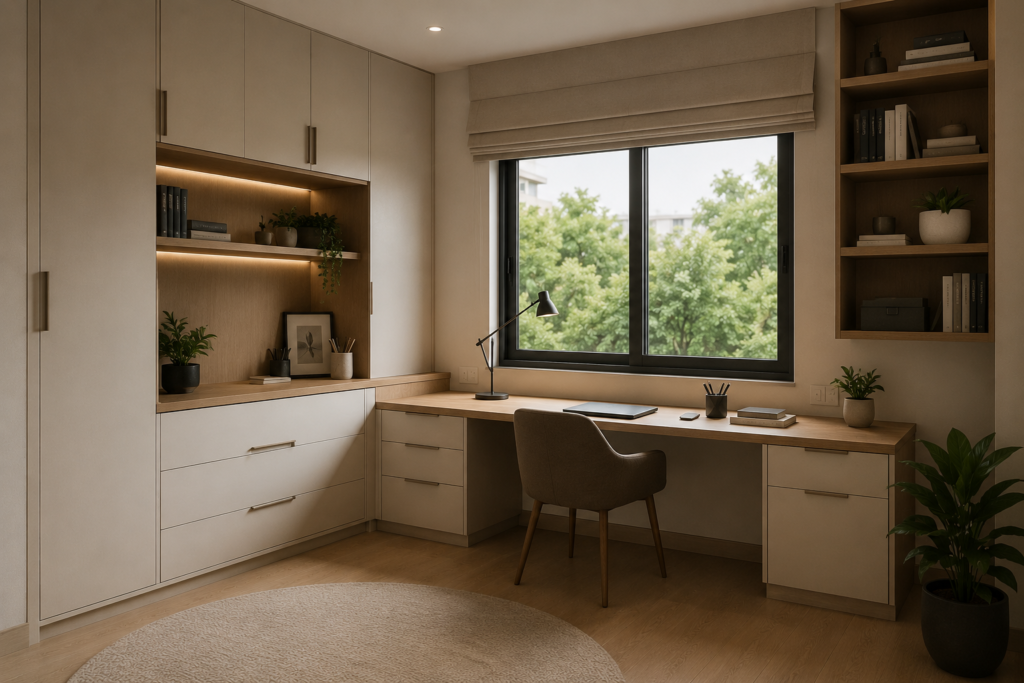
Homes in Indian cities are changing quickly. Apartments are becoming more compact, rooms are expected to handle multiple activities together, and people are trying to make better use of every available corner without making the house feel crowded. Because of this, furniture is no longer chosen only for appearance.
People now look at furniture differently. Before buying anything, they usually think about how useful it will feel after daily life begins. A table is not only a table anymore. Storage is not expected from wardrobes alone. Even smaller furniture pieces are now expected to support multiple routines together.
This shift is happening naturally because modern homes need practicality more than ever before. Large bulky furniture often creates problems in smaller layouts. Walking space reduces, clutter increases faster, and rooms start feeling overloaded much sooner. That is why space saving furniture has become more important in urban homes, especially in metro cities where every inch matters. Good furniture today should make life easier instead of occupying unnecessary space.
Multi Use Furniture Is Becoming Necessary
Traditional furniture setups worked better in larger homes where every room had enough extra space. Modern apartments rarely function that way now.
One room may handle studying, office work, storage, and relaxation together within the same day. Because of this, people are moving toward furniture that quietly supports several tasks at once instead of adding separate furniture for everything. The biggest advantage is simplicity.
When one furniture unit handles multiple needs together, rooms immediately feel more open and manageable. Less furniture also means easier movement and fewer corners collecting clutter throughout the day.
This is why multi functional pieces are becoming more common in modern interiors. People no longer want furniture that only looks attractive for a few months but becomes inconvenient later. Practicality matters much more once daily routines settle in. A setup should support the way people actually live inside the house.
Study Tables Are Now Doing Much More
Study tables used to have one very fixed role. They were mainly used by children for homework or by adults occasionally for office tasks. Now, that same furniture piece handles much more during daily life.
People work from home more frequently. Children attend online classes. Bills get sorted there, devices charge there, and important everyday items often collect around the same area.
Because of this, storage around study spaces has become extremely important. A wooden study table with drawers works well because it keeps frequently used items close without spreading them across the room. Drawers help reduce visible clutter immediately, which automatically makes the space feel calmer and easier to use.
Many people are also combining additional storage inside study setups now. Instead of adding extra cabinets separately, furniture is being planned in a smarter way where study units quietly include practical storage sections within the same structure.
This approach works especially well in smaller homes because it reduces the number of separate furniture pieces occupying floor space unnecessarily. The room feels lighter while still remaining functional.
Better Organization Improves Daily Routine
A cluttered setup affects more than appearance. When surfaces remain crowded all the time, people spend extra time searching for things, cleaning becomes frustrating, and the room slowly starts feeling mentally heavy without anyone noticing immediately why.
This is why organized layouts matter. A good study setup should allow easy access to frequently used items while still keeping the surface clear enough for comfortable work or study. Open shelves, hidden compartments, and vertical storage help manage this balance naturally.

Vertical storage especially works well in compact homes because it uses wall space instead of occupying more floor area. Hidden storage helps too. Once smaller items disappear inside drawers or closed compartments, the room instantly feels cleaner and more relaxed visually. Even simple routines start feeling easier when the surrounding space stays organized.
The best storage solutions usually feel invisible during daily life because they quietly support routine without demanding attention constantly.
Smart Shoe Storage Makes Homes Feel Cleaner
Footwear is one of the biggest reasons homes start looking messy quickly. Shoes left near entrances, outside rooms, or under furniture slowly create visual clutter no matter how often the house gets cleaned. This becomes even more common in shared family homes where several people use the same spaces every day.
Integrated shoe storage solves this problem much more effectively than separate racks placed randomly around the house.
Many modern setups now quietly include shoe sections inside everyday furniture itself. Bottom compartments or side cabinets help store footwear neatly without needing an additional storage unit elsewhere.
A shoe rack wooden with door and lock works especially well because closed sections help maintain cleanliness while also keeping the overall setup visually organized. Covered storage also improves hygiene. Dust, outdoor dirt, and footwear odors stay controlled much better when shoes remain inside enclosed compartments instead of open shelves. Ventilation inside these sections becomes important too, especially in Indian weather conditions. Good shoe storage should feel practical without making the room look heavy or overcrowded.
Material And Design Matter In Daily Use
Furniture used every day needs to handle regular wear comfortably. Weak materials may look attractive initially but often start showing problems quickly once daily use begins. Smooth surfaces, durable finishes, and stable construction generally remain easier to maintain long term.
Wood continues staying popular because it balances durability with warmth naturally. Furniture also needs to feel comfortable during use, not only visually balanced. Study tables should support long sitting hours properly while storage sections should remain easy to access without awkward bending or constant rearranging.
Size matters too. Oversized furniture can make compact apartments feel restricted very quickly, while extremely small furniture sometimes fails to support actual storage needs properly. Good proportions usually make the biggest difference in how manageable the room feels afterward.
Clean finishes help multi use furniture blend naturally into the room instead of looking overly functional.The best designs quietly support routine while still keeping the space visually calm.
Smarter Homes Depend On Better Use Of Space
Modern homes are slowly moving away from the idea that more furniture automatically means better living. People now prefer setups that create openness while still supporting everyday needs properly. Hidden storage, smooth layouts, and flexible furniture help homes stay manageable without feeling empty or incomplete.
Easy access changes comfort too. When frequently used items stay organized and within reach, routines become faster and less stressful naturally. Cleaning also becomes simpler because fewer visible things collect around the room.
Space saving furniture supports this shift well because it reduces clutter without reducing functionality. Combining storage with daily-use furniture helps smaller homes especially feel more breathable and comfortable long-term. At the end of the day, smart living is usually not about adding more things into a house. It is about making the available space work better for everyday life.
Also Read: The Importance of Roofing Inspections Before Commercial Property Purchases