
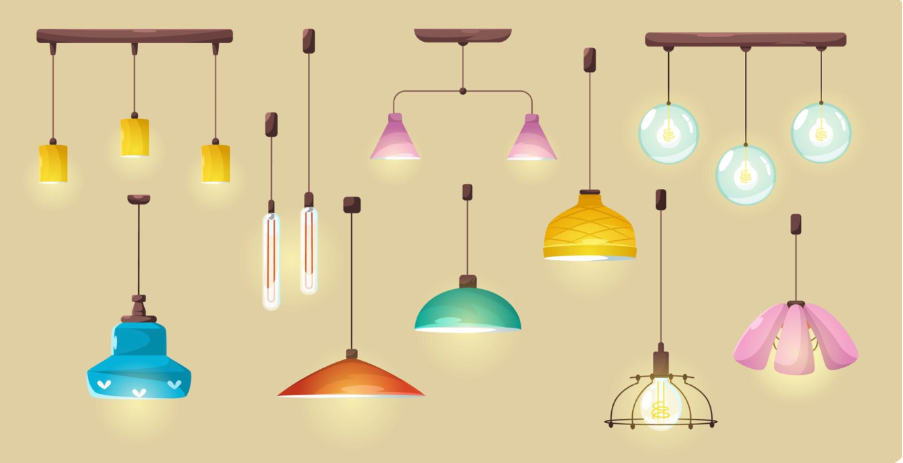
Lighting affects how a home feels and functions every day. It supports visibility and comfort. It also elevates the overall design.
The right ceiling lights do more than brighten a room. They define mood and improve usability. They also help the interiors feel complete.
In UAE homes, where clean layouts and modern finishes are common, overhead lighting must balance performance and style.
Understand What Each Room Needs
Each room has a clear purpose. Lighting must support that purpose without creating discomfort.
Living rooms need balanced overhead brightness. These spaces are used for relaxing or hosting guests. Central fixtures work well here. They provide full coverage and create a visual anchor. Top choices include:
- Flush mounts
- Chandeliers
Dining rooms benefit from focused overhead lighting. A hanging fixture placed above the table improves visibility and adds warmth. The fixture should stay proportional to the table and room size.
Bedrooms require softer brightness. Strong glare can make the space feel harsh. So, for the bedrooms, good ceiling light choices are:
- Flush mounts
- Shaded fixtures
- Compact hanging lights
They can help maintain a calm atmosphere.
Kitchens need clear, practical illumination. Cooking and cleaning require strong, even brightness. Good choices are:
- Recessed fixtures
- Flush mounts
They help eliminate shadows and improve visibility.
Bathrooms require moisture-safe overhead fixtures. Compact ceiling-mounted lights provide safe and reliable brightness. Proper lighting improves grooming and daily routines.
Hallways and entry areas need consistent coverage. Great choices are:
- Flush-mounted fixtures for narrow or low-height areas
- Hanging fixtures for taller entry spaces
Choose the Correct Fixture Size
Fixture size must match the room. A small fitting may look out of place. An oversized one can overwhelm the ceiling.
A simple approach helps determine the right size.
Add the room length and width in feet. Convert that number into inches. This gives a suitable fixture diameter.
Ceiling height also matters. Low ceilings require flush-mounted fixtures. Standard heights allow semi-flush designs. Taller ceilings can support pendants or chandeliers without affecting movement.
Consider Placement and Spacing
Proper placement improves light distribution. Central positioning ensures even brightness across the room.
When using multiple fixtures, spacing must remain consistent. Equal gaps prevent dark areas and create visual balance. More fixtures do not always mean better brightness. Proper positioning matters more than quantity.
Recessed fittings work well when evenly spaced. They provide clean and uniform coverage.
Select the Right Light Color
Light color affects comfort and atmosphere. Warm tones create a relaxed feeling. These work well in bedrooms and living areas.
Neutral or cool tones improve visibility. Kitchens, bathrooms, and workspaces benefit from clearer brightness. These tones help reduce strain during tasks.
Some fixtures allow color adjustment. This flexibility helps adapt lighting to different activities.
Understand Different Fixture Types
Several fixture types serve different purposes.
- Flush-mounted lights sit close to the ceiling. They work best in rooms with limited height. They provide general brightness without taking up extra space.
- Semi-flush fixtures hang slightly lower. They add design detail while maintaining clearance.
- Pendants provide focused lighting. They suit dining tables and kitchen islands.
- Chandeliers create a strong visual presence. They work well in dining rooms and larger living spaces.
- Recessed fixtures remain hidden within the ceiling. They provide clean and modern illumination.
Each type supports a different lighting need.
Consider Efficiency and Control
LED lighting has become widely used in modern homes. It provides steady brightness and lasts longer than older options. It also helps reduce electricity use.
Dimmers improve flexibility. Brightness can be adjusted based on activity or time of day. This helps maintain comfort.
Well-selected ceiling lights support function and design. They improve visibility while maintaining a balanced interior appearance.
Closing Thoughts
Lighting should match the purpose of each room.
- Kitchens need clarity
- Bedrooms need calm tones
- Living areas require balanced brightness
Correct sizing and placement are pivotal considerations. Color selection also makes a difference.
Also Read: Why Locally Made Products Are Becoming a Homeowner Favourite

